
Where the Buffalo Roam
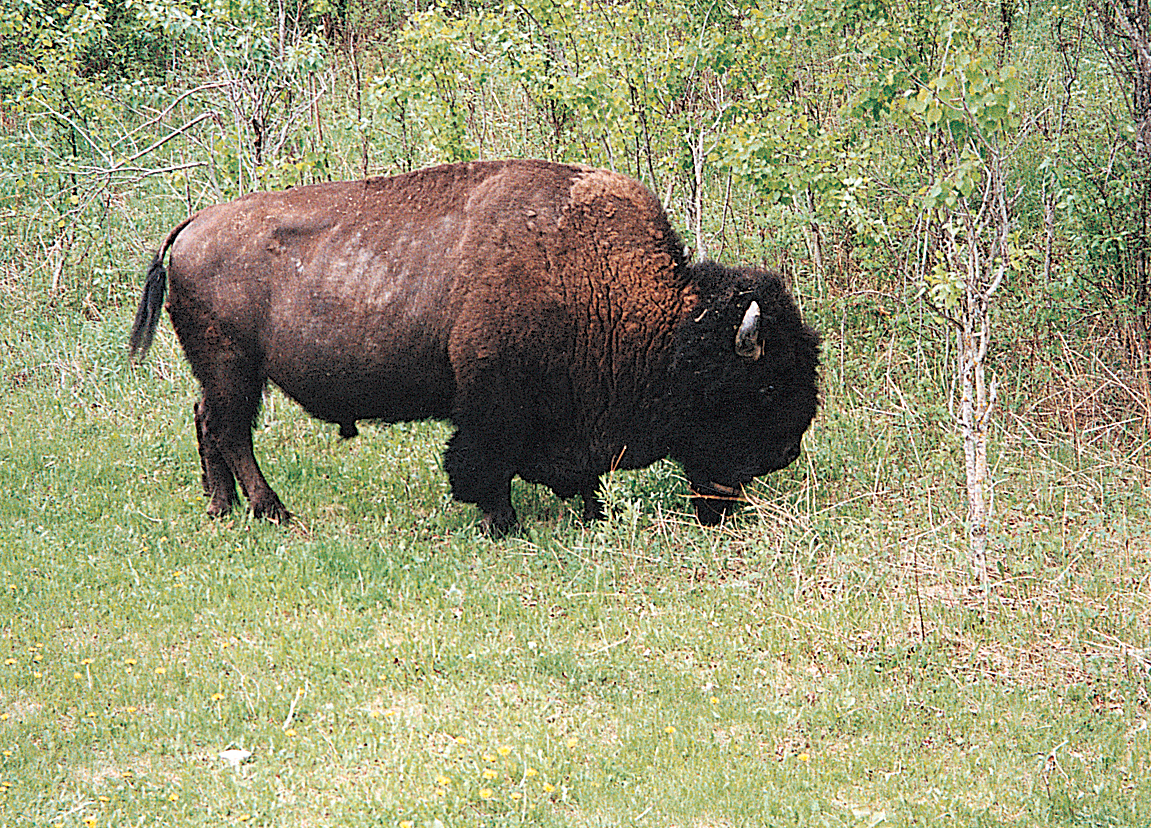
An estimated 30 to 75 million buffalo once roamed over about one third of North America. The vision of large herds of buffalo moving en masse across the plains is part of the heritage of the great American West. Large herds of buffalo depicted in feature films such as “How the West Was Won” and “Dances with Wolves” have forever etched these images into the American psyche.
The term “buffalo” is a misnomer –the official name for this magnificent animal is “American bison.” “Buffalo” is actually the name for a different breed that lives in Africa and southern Asia. But use of the name “buffalo” to refer to the largest land mammal in North America is a practice so deeply intertwined in the culture and traditions of Americans that it prevails and will prevail for generations to come.
It is believed that the buffalo, or bison, crossed into North American on a land bridge that once connected the Asian and North American continents. Through the centuries buffalo slowly moved southward, eventually reaching as far south as Mexico and as far east as the Atlantic Coast, extending south to Florida. But the largest herds were found on the plains and prairies from the Rocky Mountains east to the Mississippi River.
“The moving multitude…darkened the whole plains,” wrote Lewis and Clark, who encountered a herd at South Dakota’s White River in 1806. By 1800, the few small buffalo herds that lived east of the Mississippi River were gone. Buffalo may have been killed to protect livestock and farmlands in that region.
With westward expansion of the American frontier. systematic reduction of the plains herds began around 1830, when buffalo hunting became the chielf industry of white men living on the plains. Organized groups of hunters killed buffalo for hides and meat, often killing up to 250 buffalo a day. And construction of the railroads caused further depletion of buffalo populations. By 1883 both the northern and the southern herds had been destroyed. Near the turn of the century, less than 1000 animals remained of the millions that once lived.Conservation of the buffalo came slowly. In May 1894, Congress enacted a law making buffalo hunting in Yellowstone National Park illegal. Eight years later, money was appropriated to purchase 21 buffalo from private herds to build up the Yellowstone herd. With adequate protection, this herd has steadily increased with 5000-6000 head today. The Yellowstone herd is the largest free roaming bison herd in the world.
It is possible that much of the wholesale slaughter of buffalo in the 1800’s was an attempt to take away the livelihood and well-being of Native Americans, who depended on the buffalo’s meat and hides for their survival, and who also revered the animal as having special spiritual and healing powers. The buffalo has always been an important part of Native American culture, and their close relationship to the buffalo was present long before the American west was settled.
To this day, many Native Americans believe the birth of a white buffalo calf is a most significant and prophetic sign. In 1994, a white buffalo was born on the ranch of Dave and Valerie Heider in Janesville, Wisconsin. The family named the calf “Miracle.” Miracle was not an albino but carried the rare white buffalo gene. News of the calf’s birth spread quickly through the Native American community because its birth fulfilled a two thousand year old prophecy of northern Plains Indians.
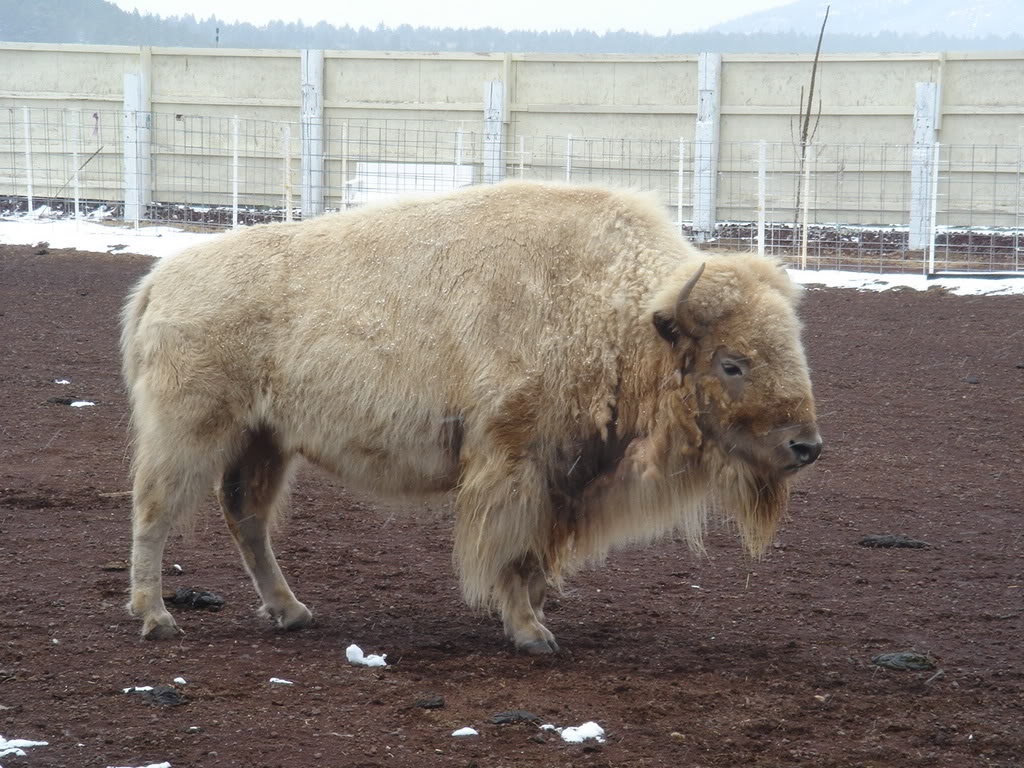
Legend had it that two thousand years ago a young woman appeared to the ancestors of the Lakota Indian Nation in the shape of a white buffalo. She prophesied that one day she would return to purify the world, bringing back spiritual balance and harmony. The prophecy held that the birth of a white buffalo calf would be a sign that her return was at hand. Many believed that the buffalo calf, Miracle, symbolized the coming together of humanity into oneness of heart, mind, and spirit. Thousands of people of many different faiths visited Miracle, as a testament to the call for all races to come together to heal the earth and solve our mutual problems. Miracle died in 2004.
Buffalo or bison as a livestock breed has grown rapidly in popularity throughout the United States and Canada, which further insures the preservation of the species. The industry is valued in the billions. Market demand is fueled by health-conscious consumers seeking high-protein red meat that is lower in fat and cholesterol than conventional beef. Buffalo burgers in restaurants and grass fed buffalo steaks sold at select groceries and farmers’ markets offer an attractive alternative of lean, delicious meat that is free of growth antibiotics and hormones.
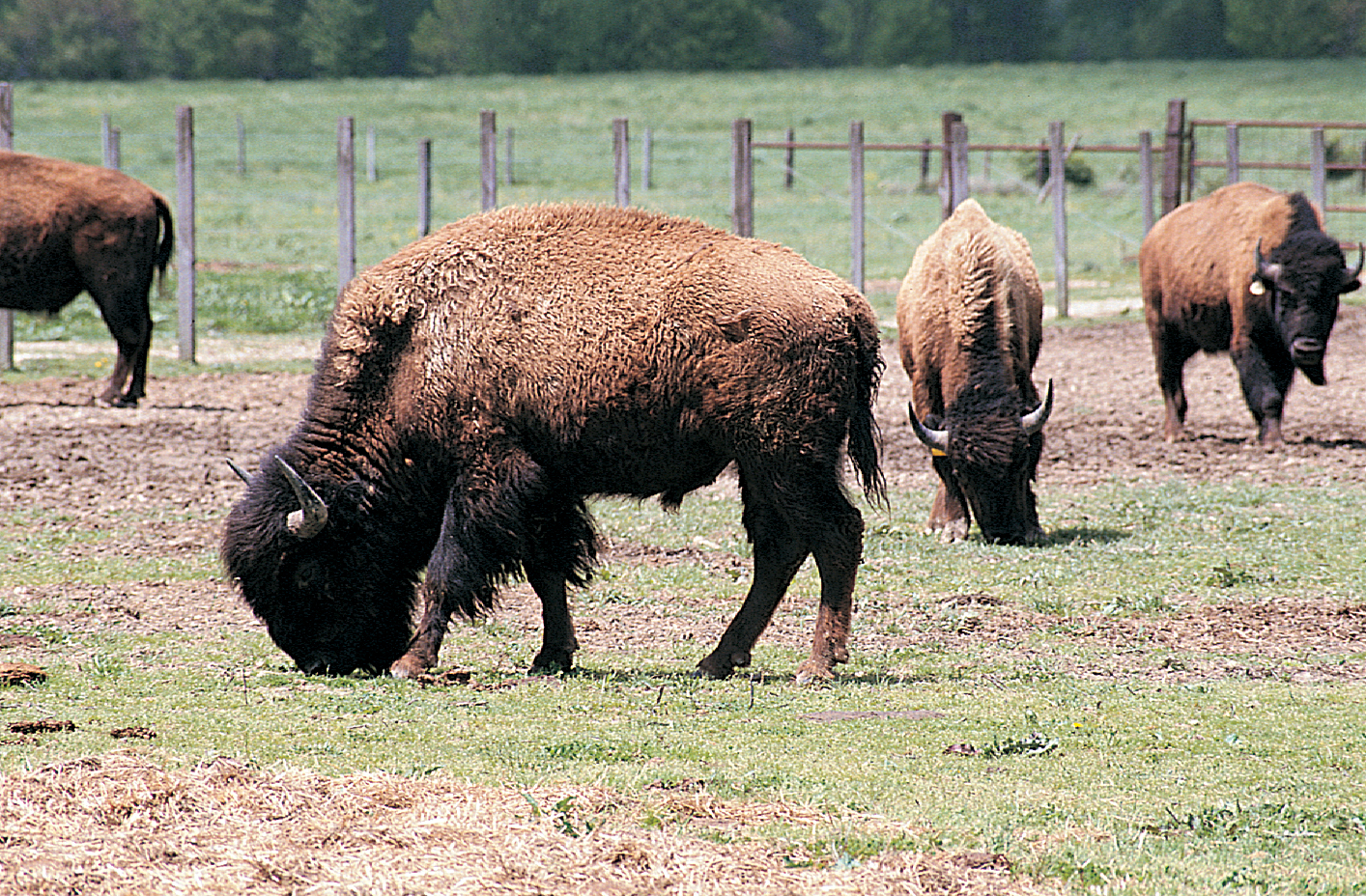
Ranchers find bison livestock to be hardy, easy keepers who can live and thrive in areas where cattle would perish. Apparently preserving the existence of this great American icon has come to offer a multitude of benefits.
Ranch & Country Staff Editor
August, 2012